
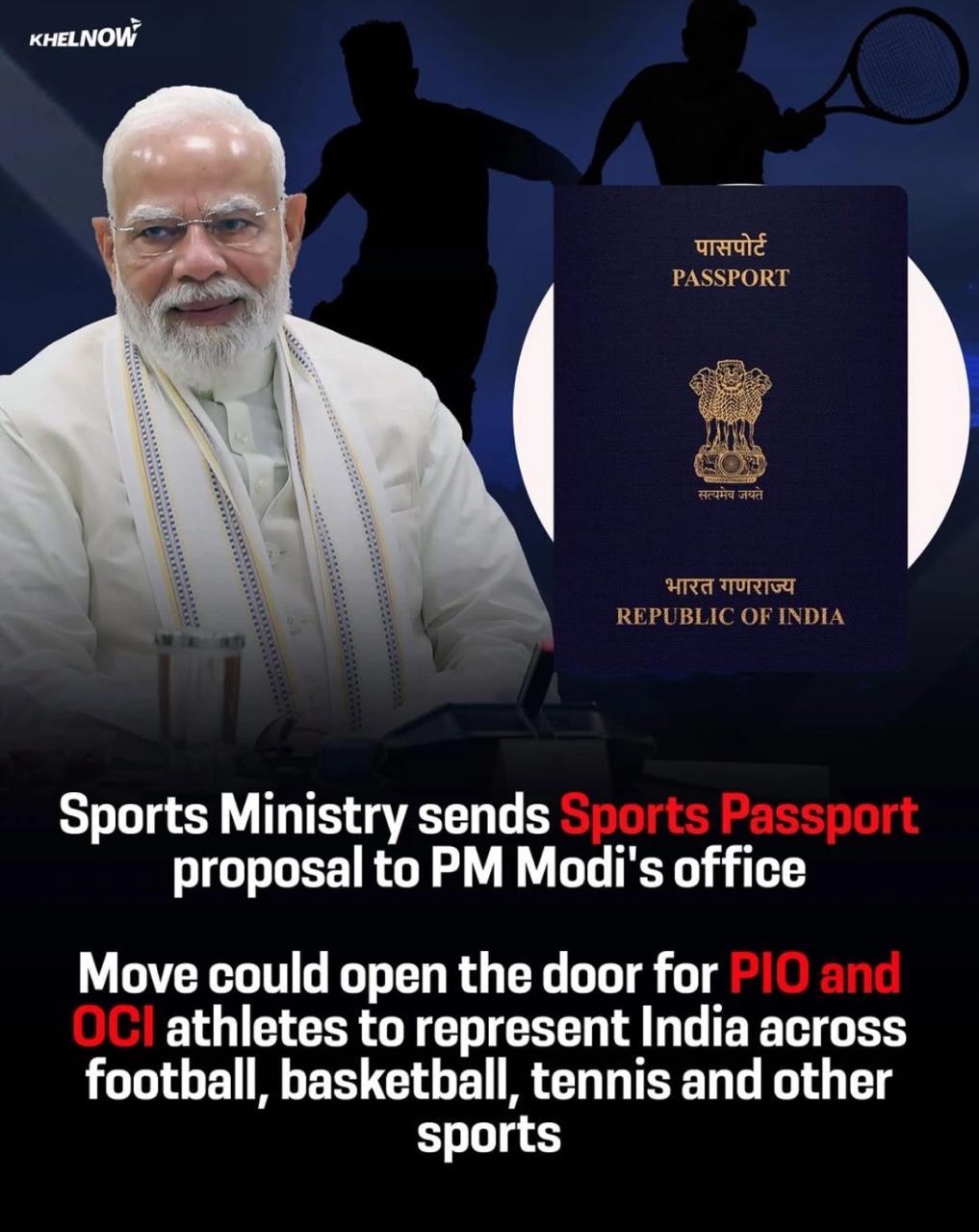
Sports Passport A Bold Step Towards Transforming Indian Sports By Dr C Ajith Kumar International Athletics Coach Sports Analyst and High Performance Consultant Introduction The world of sports is becoming increasingly global, with athletes often developing their careers far from their ancestral roots. Recognizing this reality, the Ministry of Youth Affairs and Sports is reportedly considering a groundbreaking Sports Passport framework that could allow eligible Overseas Citiz...
Sports Passport A Bold Step Towards Transforming Indian Sports
By Dr C Ajith Kumar
International Athletics Coach
Sports Analyst and High Performance Consultant
Introduction
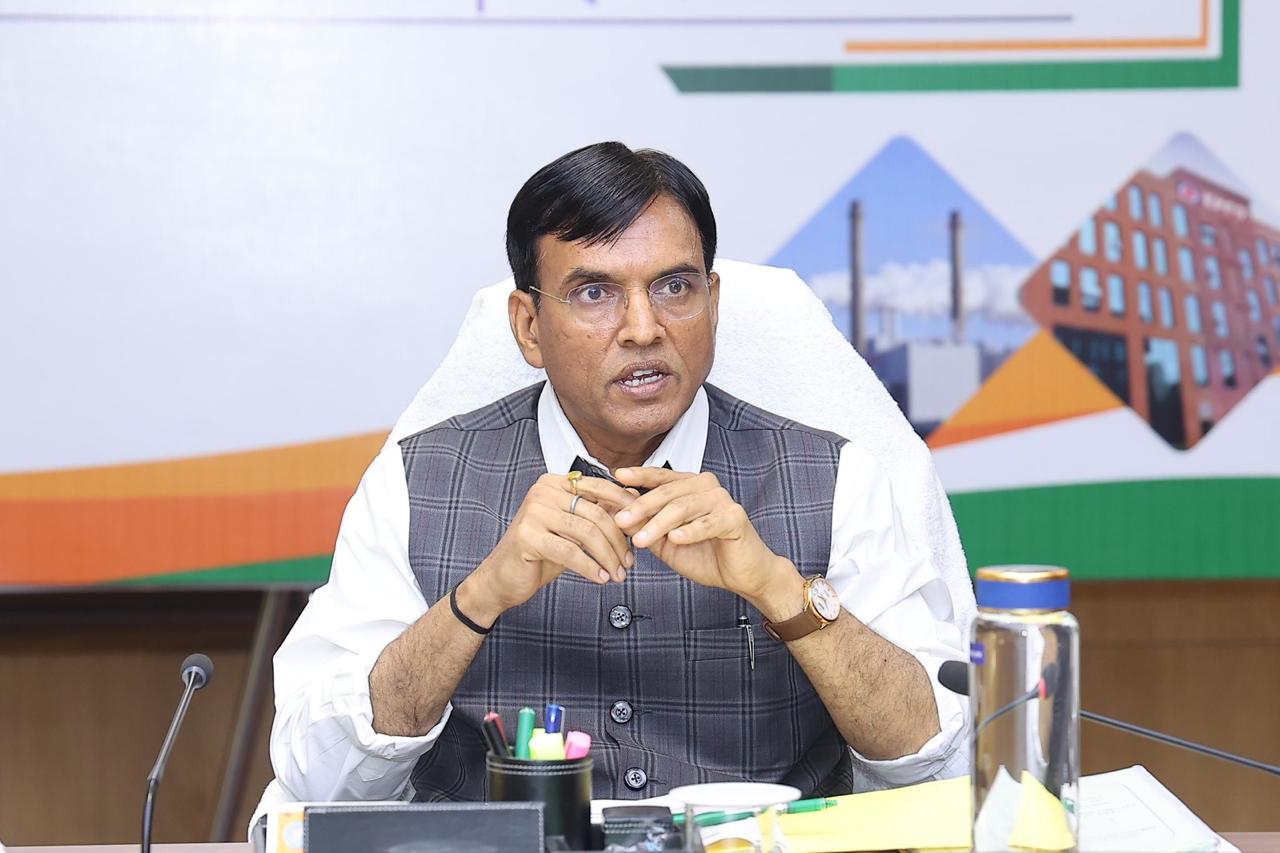
The world of sports is becoming increasingly global, with athletes often developing their careers far from their ancestral roots. Recognizing this reality, the Ministry of Youth Affairs and Sports is reportedly considering a groundbreaking Sports Passport framework that could allow eligible Overseas Citizens of India and Persons of Indian Origin to represent India in international competitions without obtaining full Indian citizenship.
If implemented, the proposal could mark one of the most significant policy reforms in Indian sports history, creating new opportunities for talented athletes of Indian origin across the globe to compete for the country of their heritage.
Unlocking a Global Talent Pool
India has one of the largest diasporas in the world, with millions of people of Indian origin living across Europe, North America, the Middle East, Australia, and other regions. Many young athletes from these communities are currently competing and training within some of the worlds most advanced sporting ecosystems.
A Sports Passport framework could provide India with access to this vast reservoir of talent. Athletes who have developed in elite academies and professional leagues abroad could bring valuable experience, technical expertise, and international exposure to Indian national teams.
Potential Impact Across Multiple Sports
Football
Indian origin players competing in professional leagues abroad could strengthen the national team, enhancing Indias competitiveness in Asian and global tournaments.
Athletics
Athletes training in high performance environments overseas could contribute to raising standards and inspiring the next generation of Indian athletes.
Tennis Basketball and Other Olympic Sports
Many talented athletes of Indian origin are already competing at high levels internationally. Their inclusion could improve Indias performance and depth across several sporting disciplines.
Key Advantages of the Sports Passport System
Enhanced International Competitiveness
Access to athletes with experience in top level competitions would strengthen Indian national teams and improve their ability to compete against established sporting nations.
Exposure to Elite Sporting Standards
The presence of internationally trained athletes can positively influence coaching methods, training culture, and performance expectations within Indian sports.
Increased Global Visibility
A stronger and more diverse national team could attract greater media attention, sponsorship opportunities, and international partnerships.
Stronger Diaspora Engagement
The initiative would create a meaningful connection between India and its global diaspora, allowing athletes to contribute directly to the countrys sporting ambitions.
Balancing Opportunity and Development
While the Sports Passport proposal offers exciting possibilities, it must be implemented carefully. The long term success of Indian sports will continue to depend on robust grassroots development, improved infrastructure, quality coaching, and athlete support systems within the country.
The objective should not be to replace domestic talent but to complement it. A balanced approach can ensure that homegrown athletes continue to receive opportunities while benefiting from increased competition and exposure to international standards.
Learning from Global Examples
Several countries have successfully integrated athletes with dual nationality or heritage connections into their national teams. Nations such as Qatar, France, England, and Ireland have benefited significantly from the contributions of athletes with multicultural backgrounds and international training experiences.
India now has an opportunity to explore a model that reflects its own unique global presence while maintaining the integrity of its sporting pathways.
The Road Ahead
The proposed Sports Passport framework represents a forward looking vision for Indian sports. If structured effectively, it could help bridge the gap between Indias immense sporting potential and its aspirations on the world stage.
As discussions continue, policymakers, sports federations, coaches, athletes, and fans will closely watch how the proposal evolves. If approved, the Sports Passport could become a catalyst for a new era of excellence, inclusivity, and global competitiveness in Indian sports.
The question is no longer whether India possesses sporting talent. It is whether India is ready to embrace talent wherever it may be found.
A nation becomes stronger when it recognizes and empowers talent across borders while continuing to invest in its grassroots foundations.
Conclusion
The Sports Passport concept has the potential to reshape the future of Indian sport. By connecting global Indian talent with national sporting ambitions, India can accelerate its journey toward greater international success while strengthening its position within the global sporting community.
If implemented with vision, transparency, and balance, this initiative could become one of the most transformative sports policies in modern Indian history.
Dr C Ajith Kumar
International Athletics Coach
Sports Analyst and High Performance Consultant