Uttarakhand's District Sports Schools: A Policy Blueprint India Must Get Right
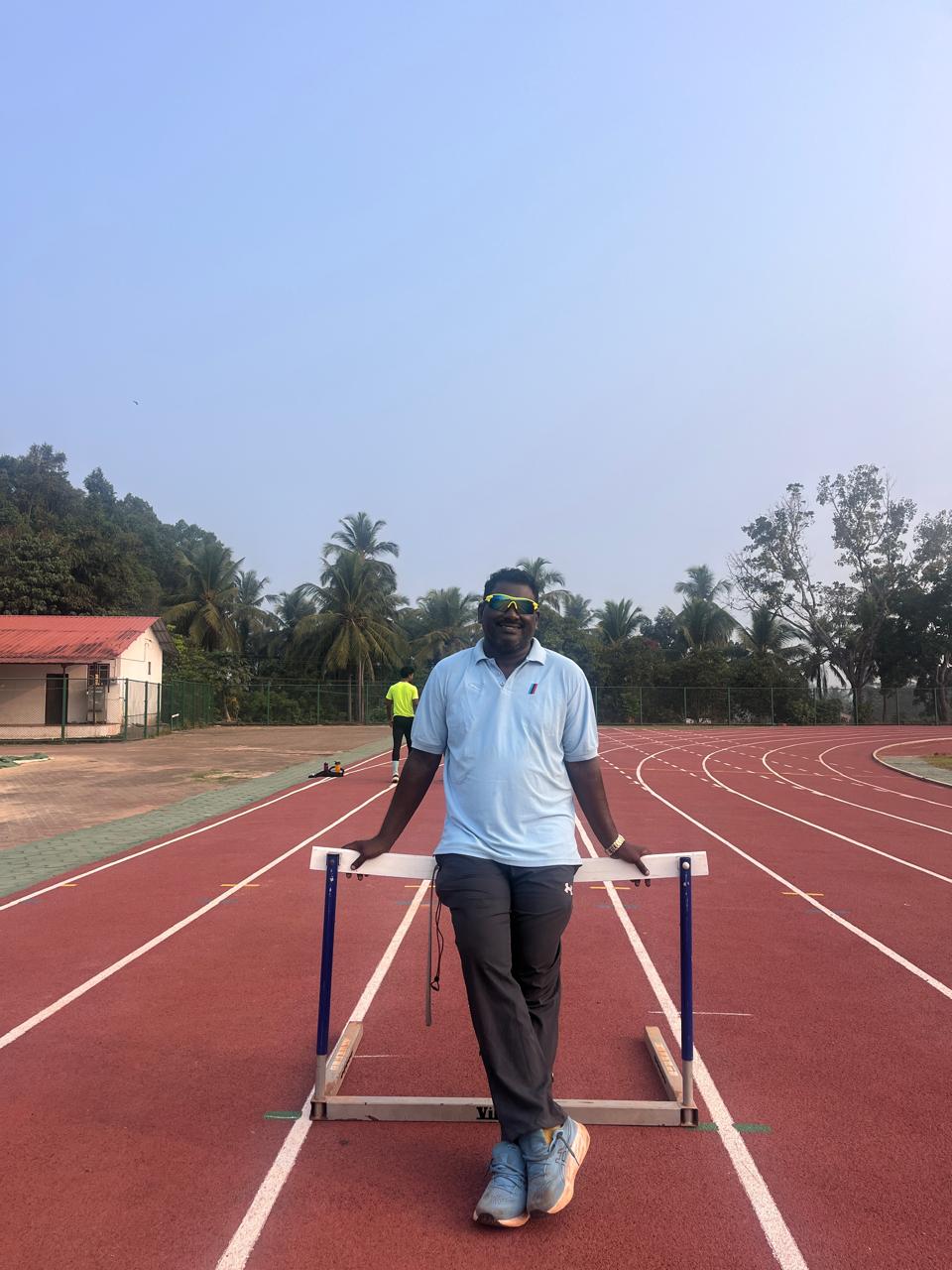
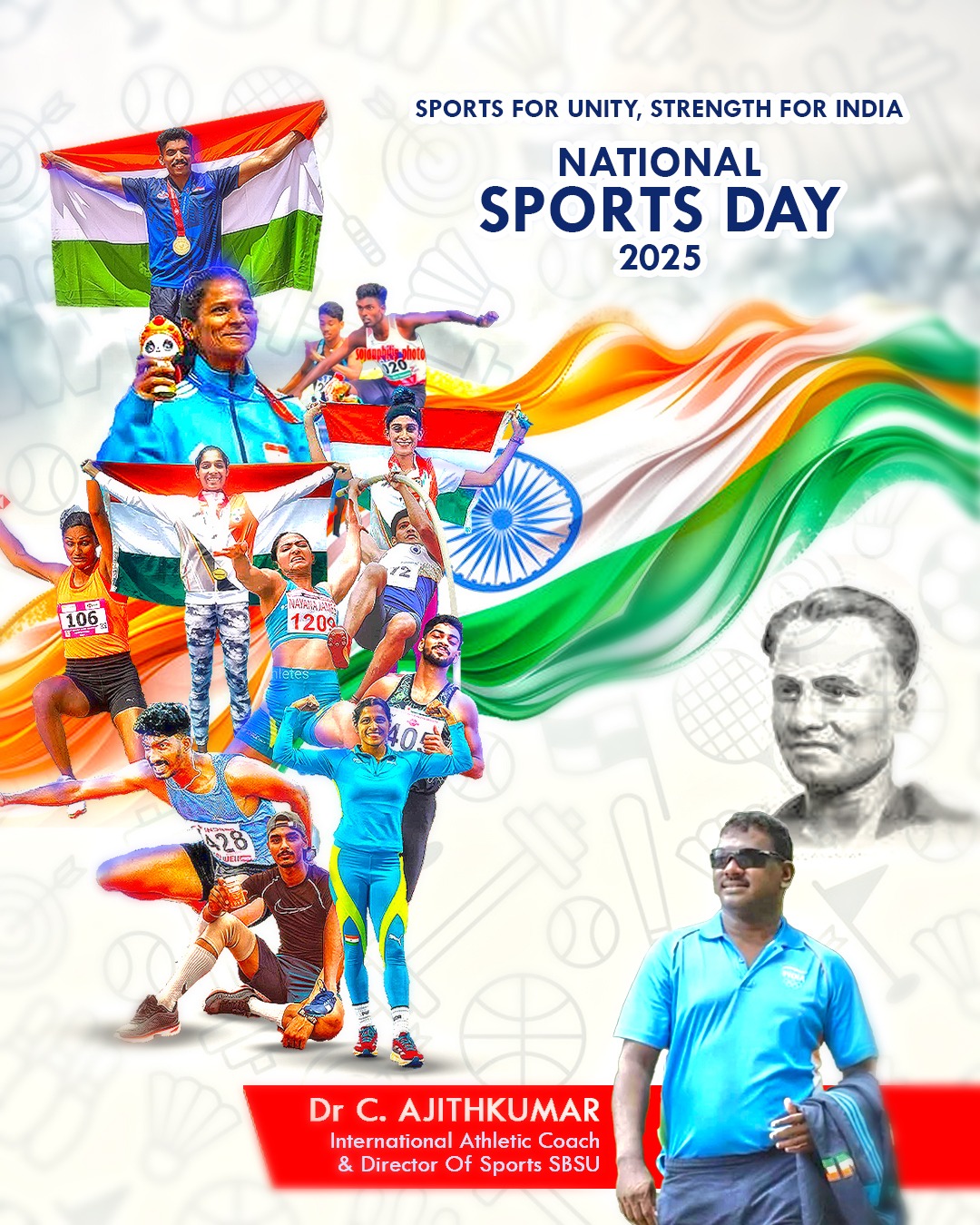
By Dr C Ajithkumar
International Athletics Coach
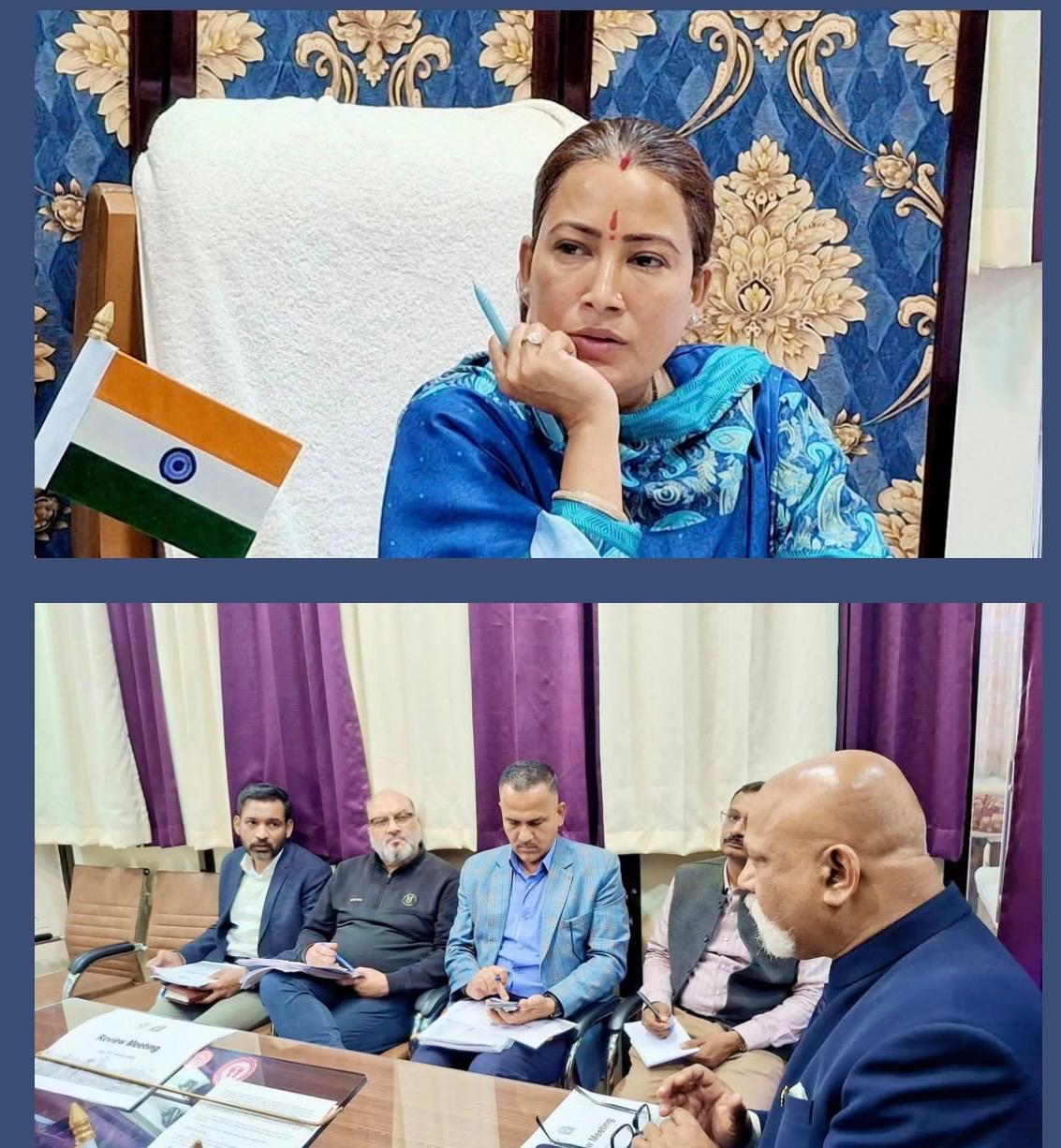
The recent announcement by Uttarakhand Sports Minister Rekha Arya to establish sports schools in every district marks an ambitious shift in India's grassroots sports policy. Converting 14 existing hostels into integrated sports schools, launching early-age talent identification from six years, expanding digital coaching through the Fit Uttarakhand app, and advancing the state's first sports university in Haldwani together signal structural intent rather than symbolic expansion.
The question before policymakers is not whether this is visionary. It is whether it will be executed scientifically.
Moving from Infrastructure to Ecosystem
India has historically invested in stadiums and events. What it has lacked is system design. District sports schools, if properly structured, can create a seamless pathway:
Talent identification to foundational training to competitive grooming to high-performance integration to international exposure.
Countries that have succeeded at the Olympic level built ecosystems rather than isolated facilities. The centralized funding model of the United Kingdom and the structured performance framework of the United States Olympic and Paralympic Committee demonstrate that medals are the product of long-term planning, coach education, and sports science rather than short-term enthusiasm.
Uttarakhand now has the opportunity to design such a model at the state level.
Early Identification: Science Must Lead Policy
Beginning talent identification at six years of age is progressive, but it must follow globally accepted Long-Term Athlete Development principles.
At ages six to twelve:
- Multi-sport participation is essential
- Emphasis must be on movement literacy including running, jumping, throwing, balance, and coordination
- Early specialization must be avoided
Premature specialization increases burnout, overuse injuries, and dropout rates during adolescence. If children are pressured into single-sport intensity too early, the system will lose more talent than it creates.
Policy recommendations include:
- Mandating multi-sport exposure until at least age twelve
- Introducing growth and maturation tracking before competitive load intensifies
- Establishing injury surveillance systems in district sports schools
The Role of the Haldwani Sports University
The proposed sports university in Haldwani could become the intellectual backbone of this initiative.
India's greatest bottleneck is not athlete talent. It is the shortage of scientifically trained coaches. Without upgrading coaching education, sports schools risk becoming residential academies without high-performance standards.
The university should:
- Offer accredited coach education programs
- Develop sports biomechanics and performance laboratories
- Integrate strength and conditioning science
- Train sports psychologists and performance analysts
- Create centralized data systems for athlete monitoring across districts
This institution must function as a high-performance nerve centre rather than a conventional academic body.
Digital Expansion: Scale with Accountability
The integration of over one lakh athletes through the Fit Uttarakhand digital platform is a significant scaling effort. However, digital coaching should supplement rather than replace on-ground expertise.
Safeguards should include:
- Standardized training modules reviewed by expert panels
- Periodic physical performance audits
- Real-time injury and workload tracking
- Data transparency accessible to athletes and parents
Digital tools must enhance accountability rather than inflate participation statistics.
Financial and Administrative Sustainability
Sports policy in India often suffers from discontinuity following political transitions. If Uttarakhand aims for meaningful impact by 2036, its framework must outlast electoral cycles.
Recommendations include:
- Establishing a legally mandated High-Performance Commission
- Ring-fencing long-term funding for athlete development
- Introducing independent performance audits every Olympic cycle
- Incentivizing coaches based on athlete progression metrics rather than medal counts alone
Medals are lag indicators. Athlete development quality is the lead indicator.
The 2036 Olympic Vision
India's aspiration to host or excel in the 2036 Olympic cycle requires immediate structural correction. Uttarakhand's district sports school model could serve as a pilot template for national replication if rooted in science, governance, and accountability.
If executed effectively, the state can:
- Reduce urban-rural opportunity gaps
- Increase female participation through residential schooling
- Develop altitude-based endurance advantages
- Build decentralized talent hubs feeding into national programs
If executed poorly, it risks becoming another infrastructure headline without measurable international outcomes.
Final Word
Uttarakhand stands at a policy inflection point. The conversion of hostels into sports schools is not merely administrative reform. It is an opportunity to redesign India's grassroots sports architecture.
The success of this initiative will depend on three pillars:
- Scientific athlete development pathways
- Coach education and performance analytics integration
- Governance continuity and funding transparency
India does not lack talent. It lacks systems.
If Uttarakhand builds the system correctly, it will not only create champions but also establish a replicable national blueprint.
The time to shift from infrastructure politics to performance policy is now.
Author
Dr C Ajithkumar
International Athletics Coach
Related Articles