
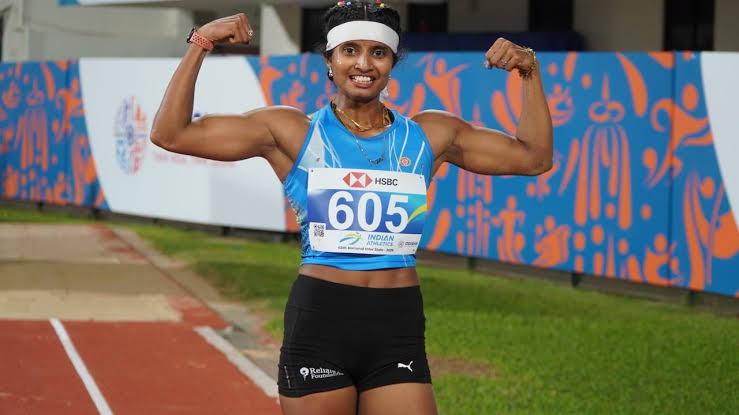
Bhubaneswar 2026: Indian Athletics at a Crossroads - Progress, Challenges and the Future of Indian Coaches By Dr C Ajithkumar International Athletics Coach The 2026 National Inter-State Athletics Championships held in Bhubaneswar may well be remembered as one of the most significant milestones in the history of Indian athletics. National records were rewritten, numerous athletes achieved the qualifying standards for the 2026 Asian Games, and several performances reached internat...
Bhubaneswar 2026: Indian Athletics at a Crossroads - Progress, Challenges and the Future of Indian Coaches
By Dr C Ajithkumar
International Athletics Coach
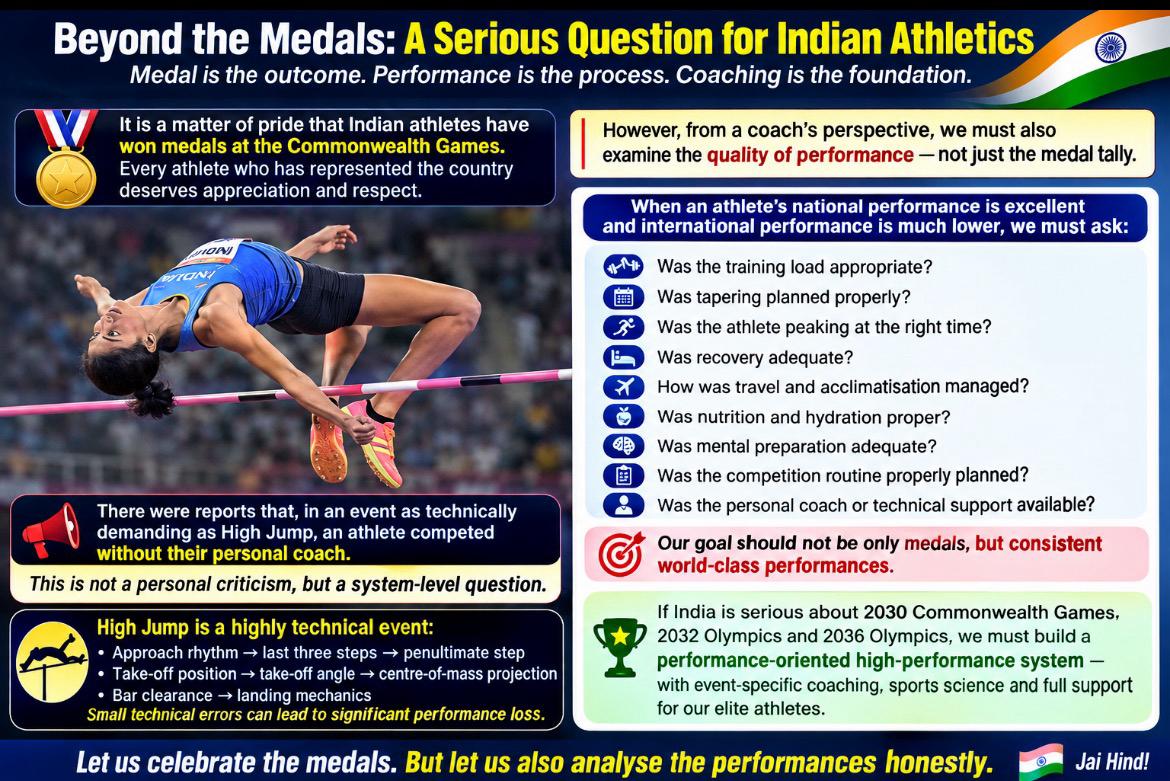
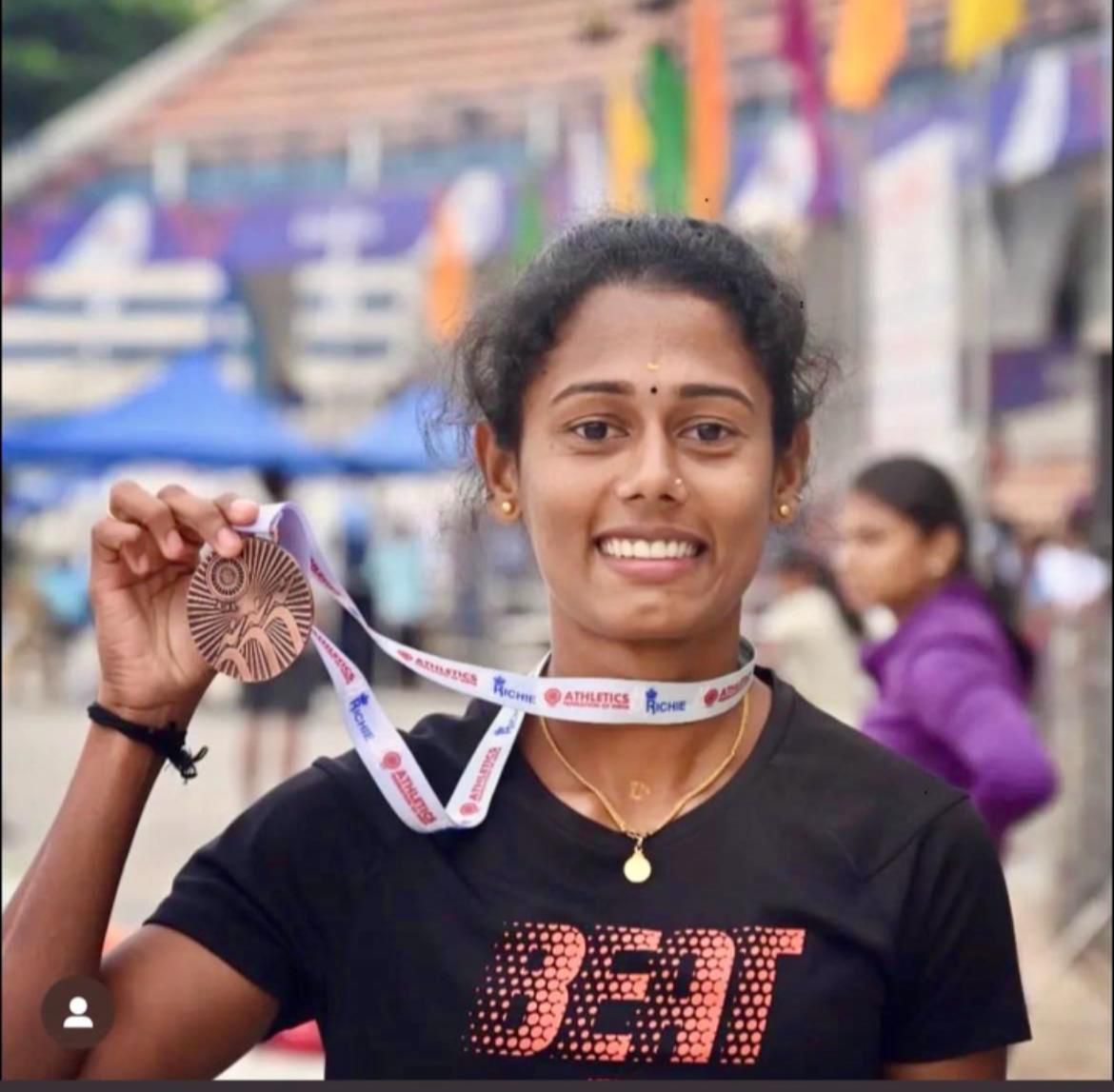
The 2026 National Inter-State Athletics Championships held in Bhubaneswar may well be remembered as one of the most significant milestones in the history of Indian athletics. National records were rewritten, numerous athletes achieved the qualifying standards for the 2026 Asian Games, and several performances reached international standards.
These achievements deserve appreciation. They reflect years of investment by the Government of India, state governments, the Athletics Federation of India, dedicated coaches, sports scientists, and, most importantly, the athletes themselves.
The Growing Influence of High Performance Centres
Another undeniable factor behind India's recent rise is the growing role of private High Performance programmes such as Reliance Foundation and JSW Sports.
Their contribution extends far beyond financial assistance. They have invested heavily in world-class training environments, sports science, biomechanics, strength and conditioning, nutrition, physiotherapy, recovery systems, sports psychology, international exposure, and experienced foreign coaches. Their High Performance Centres have undoubtedly raised the standard of Indian athletics.
As a coach, I welcome every initiative that helps Indian athletes compete successfully on the world stage.
The Question We Must Ask
While celebrating these achievements, we must also ask an important question:
Where do Indian coaches stand today?
Across India, thousands of talented children are still being identified, trained, and nurtured by Indian coaches working in schools, universities, district academies, and grassroots programmes.
These coaches invest years developing raw talent despite limited infrastructure and resources.
However, once an athlete reaches the national level, the pathway often leads towards national camps or private High Performance Centres because of their superior facilities, sports science support, and internationally experienced coaching teams.
From an athlete's perspective, this is understandable. Every athlete deserves access to the best available training environment.
From a coaching development perspective, however, an important concern emerges.
Will Indian coaches continue to have meaningful opportunities to develop elite athletes, or will they gradually become confined to grassroots development while the highest levels of performance are increasingly managed elsewhere?
This question deserves serious discussion.
Strengthening Indian Coaches
If similar High Performance structures continue expanding into schools and universities, Indian coaches may face increasing competition for professional opportunities unless they are equally empowered through education, research, certification, and access to modern sports science.
The future should not be built by replacing Indian coaches.
It should be built by strengthening them.
Foreign expertise is valuable, but sustainable sporting success can only be achieved when domestic coaching capacity grows alongside international collaboration.
Another Reality We Cannot Ignore: Anti Doping
As we celebrate India's remarkable performances, another challenge deserves equal attention.
India has consistently been among the countries reporting a high number of anti-doping rule violations in recent years. This remains a serious concern that affects the credibility of Indian sport internationally.
Winning medals alone cannot define sporting excellence.
Clean sport, ethical coaching, athlete education, scientific training, nutritional awareness, and a strong anti-doping culture must become integral parts of India's High Performance system.
Every stakeholder, including coaches, administrators, sports scientists, parents, and athletes, shares responsibility for protecting the integrity of Indian athletics.
The Road Ahead
The success witnessed in Bhubaneswar demonstrates that India possesses extraordinary athletic talent.
However, long-term international success will depend on creating a balanced sporting ecosystem where:
- Grassroots Indian coaches continue to identify and develop future champions.
- High Performance Centres provide world-class scientific support.
- Government and private organisations work collaboratively rather than competitively.
- Indian coaches receive continuous professional development alongside international experts.
- Clean sport remains the foundation of every performance.
A Collaborative Future
The future of Indian athletics should not be viewed as a choice between Indian coaches and foreign experts.
The real objective should be to create a system where both work together, ensuring that India's next generation of athletes reaches the highest international standards while preserving and strengthening the country's own coaching expertise.
Conclusion
Bhubaneswar 2026 has shown that India is capable of producing world-class performances.
The next challenge is ensuring that this success is sustainable, ethical, inclusive, and built upon a strong foundation of Indian coaching excellence.
India's future in athletics will not be determined solely by medals. It will be determined by how effectively the nation develops athletes, empowers coaches, embraces science, and upholds the principles of clean sport.
By strengthening grassroots coaching while embracing world-class performance systems, India can build an athletics ecosystem capable of sustained success on the global stage.
Dr C Ajithkumar
International Athletics Coach