AFI Executive Council Meeting at Andaman and Nicobar: Big Decisions, Bigger Impact
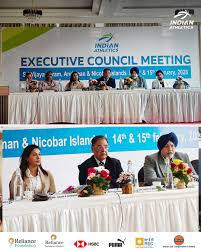
The Athletics Federation of India recently held a two-day Executive Council meeting in Port Blair, Andaman and Nicobar Islands. The meeting focused on governance, planning, and administrative matters for the upcoming athletics season. The federation confirmed that the meeting concluded successfully, although detailed public minutes have not yet been released.
Likely Agenda: What AFI Meetings Typically Decide
While specific official decisions from this particular meeting have not been widely reported, AFI Executive Council meetings generally address key strategic areas such as:
- Competition calendar planning and international tours, determining when and where Indian athletes compete domestically and abroad
- Policies for training and foreign competitions, including prior approval requirements for international participation
- Performance monitoring systems and compliance mechanisms ahead of major multi-sport events
- Coach registration policies and anti-doping enforcement measures
- Domestic development structures, including management of national meets and representation of state and union territory associations
How AFI Decisions Can Affect Indian Athletes
Performance and Exposure
If AFI finalises detailed international competition plans or strengthens performance monitoring systems, athletes will gain clearer pathways for ranking improvement, qualification, and preparation for major events such as the Asian Games, World Championships, and Olympic Games.
Selection and Training Autonomy
AFI has previously required athletes to obtain prior authorisation for participation in overseas competitions. Decisions from the Executive Council may influence how freely athletes can plan foreign training camps or independently enter competitions, which directly affects career progression and global exposure.
Anti-Doping and Governance
Coach registration requirements and stricter accountability mechanisms for doping violations significantly influence training environments and athlete support systems. Strong governance measures enhance credibility but must be implemented with transparency and fairness.
Domestic Competition Structure
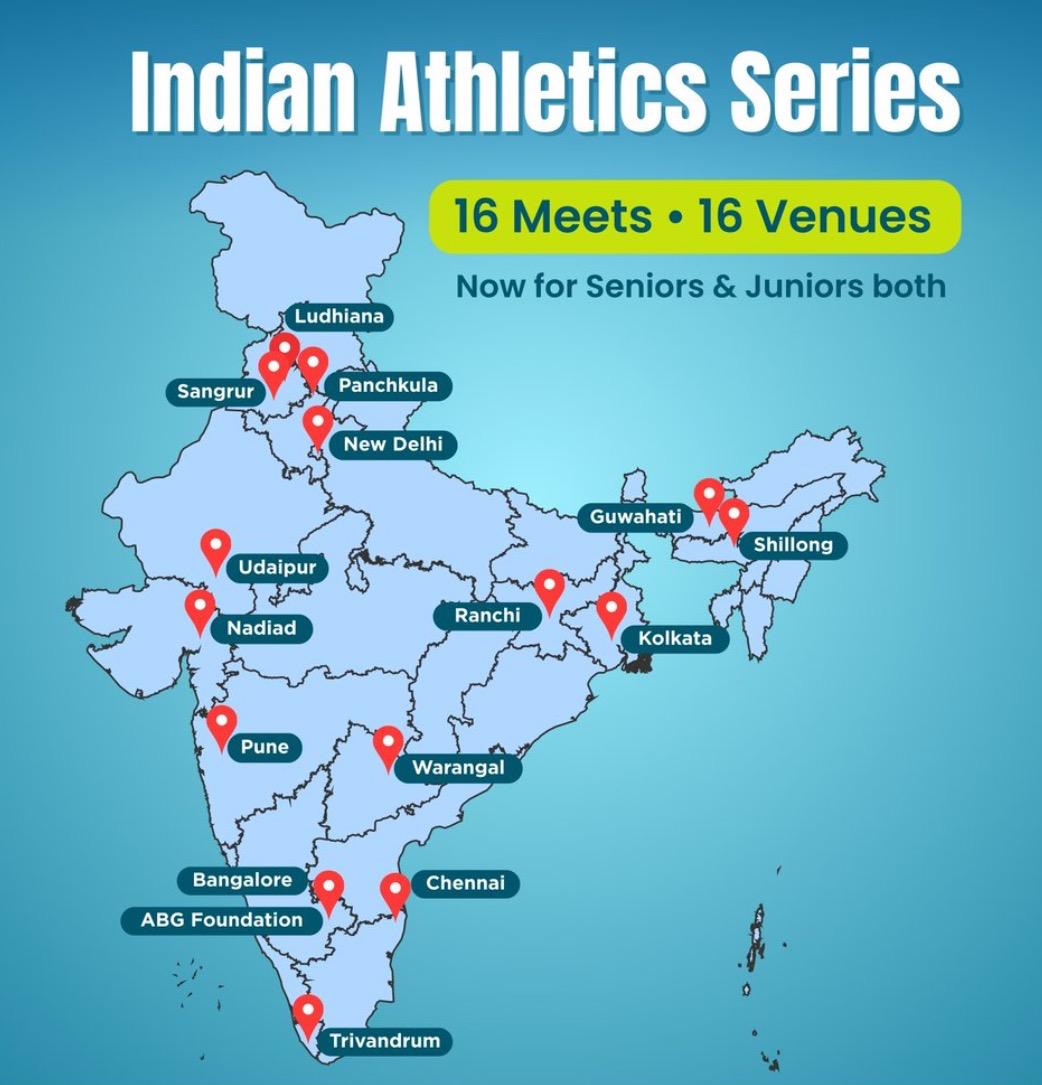
AFI planning may expand the Indian Athletics Series and strengthen the domestic competition calendar, enabling more athletes to gain competitive exposure and national recognition.
Bottom Line
Although detailed outcomes from the Andaman and Nicobar Executive Council meeting have not yet been publicly released, such meetings play a central role in shaping Indian athletics governance.
Decisions taken at this level influence athlete eligibility and international participation, the domestic athletics calendar, coaching standards, anti-doping enforcement, performance monitoring systems, and long-term development strategies for track and field in India.
Author
Dr C Ajithkumar
International Athletics Coach
Related Articles